
Photographing England's Rural Wayside Chapels: A Traveler's Route Guide
A four-leg driving and walking route through England's smallest rural chapels, with practical notes on opening times, access, and the light at each stop.
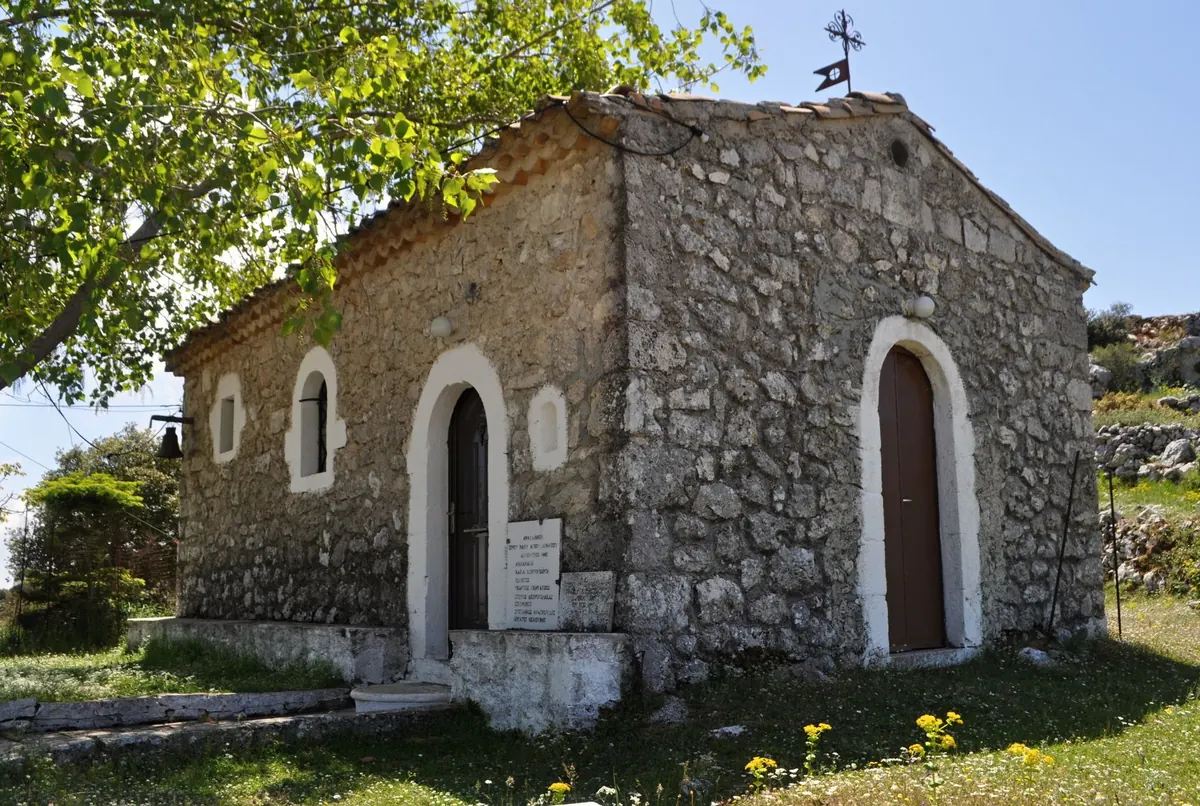
England's rural wayside chapels are easy to miss and hard to forget. A squat stone box at the end of a farm track. A Norman doorway worn smooth by eight centuries of shoulders. A single lancet window dropping a blade of light across a limewashed wall. Most were built where people already were, at a river crossing, the head of a combe, a crossroads on the old drove road, which is why so many still sit in landscapes that look close to how they looked when the masons packed up. Some served a hamlet too small to support a parish of its own. Others were chantry chapels, pilgrimage stops, or the private oratory of a manor house long since vanished into a field of stubble. The result is a building type with no standard size, no standard plan and, frequently, no standard opening hours. What follows is a route of four legs, from the Dorset coast to the Yorkshire Dales, with notes on when to arrive, how to get in, and what the light is doing while you are there.
Before You Go: Access, Keys and Light
A handful of things are true of nearly every small chapel in the English countryside, and knowing them saves wasted journeys.
- Opening. Churches in the care of national heritage trusts generally have published hours and free entry. Parish chapels are often left unlocked from morning to dusk, but this varies by parish, by season and by week. Never assume.
- Keys. Look for a notice at the gate or lychgate with a keyholder's number. A polite call the day before is usually all it takes. Say who you are and what you want, and you will almost always be handed a key and a small piece of local history along with it.
- Parking. These buildings sit on single-track lanes. Use the passing places, never block a field gate, and remember a tractor is wider than you think.
- Services. Read the noticeboard. If a service, wedding or funeral is under way, photograph somewhere else and come back.
- Flash and tripods. Tripods are normally fine outside service times. Skip flash entirely near wall paintings, which are light-sensitive, and there is rarely room to bounce it well anyway.
- Drones. Leave them in the car. Most of these sites sit inside protected landscapes, near livestock, and near people who came out for the quiet.
- Clothing. A surprising number of the best chapels are reached by footpath across wet turf, and the lanes are often more mud than tarmac. Boots, a waterproof and a cloth for the front element will earn their place in the bag.
Leg One: Dorset, Chalk Hills and a Cliff-Top Chapel
St Catherine's Chapel, Abbotsbury
A fourteenth-century chapel on Chapel Hill above the village, looking down over the Fleet and the long shingle bank of Chesil Beach. The climb takes ten or fifteen minutes and is genuinely steep, so wear something with grip and carry less kit than you think you need. Time your visit for the last hour of light in summer, when the sun rakes across the buttresses and throws long shadows over the turf. In winter the sun stays low in the south and grazes the west face for much of the afternoon, so a midday arrival is not wasted.
St Aldhelm's Chapel, Worth Matravers
A squat, square Norman chapel set almost at the cliff edge south of the village, its walls thick enough to feel like a bunker. The interior is a single room with a central pillar and a stone vault, and the acoustics will tell you instantly that this was a place built for a few voices, not a congregation. The walk out from Worth Matravers takes about half an hour each way on a good path, with the sea on three sides by the end. Coastal light is flat and unforgiving at midday, so aim for early morning or the hour before sunset, when the limestone turns the colour of weak tea and the sky does most of the work for you.
Leg Two: Wiltshire, the Cotswolds and the Severn Vale
St John the Baptist, Inglesham
One of the smallest and most rewarding buildings on this route, tucked into a bend of the upper Thames where three counties meet a canal, a river and a footpath. Medieval wall paintings survive on the walls, including a Doom above the chancel arch, and the box pews and stone floor have been left alone in the best possible way. Interiors like this are dark. Bring a fast lens, brace against a pew, and treat a slightly noisy image as the price of touching nothing.
Hailes Church, Gloucestershire
A small church beside the ruins of Hailes Abbey, with fourteenth-century wall paintings that have survived partly because nobody ever got round to modernising it. Come late in the afternoon in summer, when low sun comes through the south windows and picks out the reds and ochres of the figures. Photography here is about restraint: raise the ISO, lower the expectations, and let the shadows stay shadows.
Leg Three: The Marches and the Southern Peak
Kilpeck, Herefordshire
The church here is famous for its Romanesque carvings, and it deserves the fuss: a corbel table of hares, wrestlers, musicians and things with no name, all carved with an energy that feels startlingly modern. The light is kind for most of the day, but the detail you want photographs best when the sun is low enough to cast raking shadows across the stone. A short walk away stand the earthworks of a motte, which make a useful foreground if the church itself seems over-photographed.
Middleton Chapel, Derbyshire
A thirteenth-century chapel in a quiet village above the Dove, small, plain and often empty. This is the kind of building that teaches you to look twice: a scratch dial on the jamb, a blocked doorway, a fragment of medieval glass in a leaded light. Go in the middle of the day here. The village sits in a hollow, and morning and evening light tends to arrive filtered and grey.
Leg Four: The Yorkshire Dales
Hubberholme, Upper Wharfedale
A low, whitewashed church at the meeting of the Wharfe and the beck, with a rare double-aisled nave and a rood loft that survived when most were swept away. The churchyard is full of leaning stones, and the whole place smells of wet grass and candle wax. The surrounding chain of small churches at Kettlewell, Arncliffe and Hawkswick makes a fine slow day on foot, and each one gives you a slightly different answer to the same question: what does a chapel look like when the congregation is thirty strong and the weather is closing in?
Working the Light: Exteriors, Interiors and the Long Hour
Two hours before sunset, everything works. Side light gives texture to rubble stone, backlight turns a churchyard cross into a silhouette, and the limewash inside glows for a few minutes at the end of the day.
- Exteriors. Circle the building first and find the side the sun is touching. A chapel photographed square-on at noon will always look like a survey drawing.
- Interiors. Expose for the window, not the wall. Let the nave go dark and the light become the subject.
- Details. Scratch dials, hinges, mason's marks, a worn step, a bunch of keys on a nail. These carry more of the place home than another wide shot.
- People. A figure at the door, even at the far end of a churchyard path, gives scale and tells the viewer the building is still used.
When the Door Is Locked: Plan B
It happens, and it is not a wasted journey. Photograph the porch, the gravestones, the gate, the path in the grass where the keys have walked for centuries. Shoot through a plain pane of glass with the lens hood pressed flat against it. Note the keyholder's number and the service times for a return visit, and leave a note in the visitors' book. Chapels are kept alive by people who notice them, and a photographer who asks politely becomes part of that. Honestly, that quiet, half-lit record of a locked door is often the picture that ends up on the wall.
A wayside chapel is not a monument. It is a habit of the landscape, kept up by a few people and a set of keys, and the best photographs tend to remember that.
Photo: Leo Pekaar / Pexels